


State of Play
THE 2026 GEN Z


Photos by:
Ed Templeton


Is the Gen Z sex recession real? Yes. But it’s complicated.
We asked
U.S. adults ages 18 to 29 about their sex lives to find out.
A fifth have never had sex. A fifth have had 10 or more partners.
of those who had sex in the last three months had just one partner.
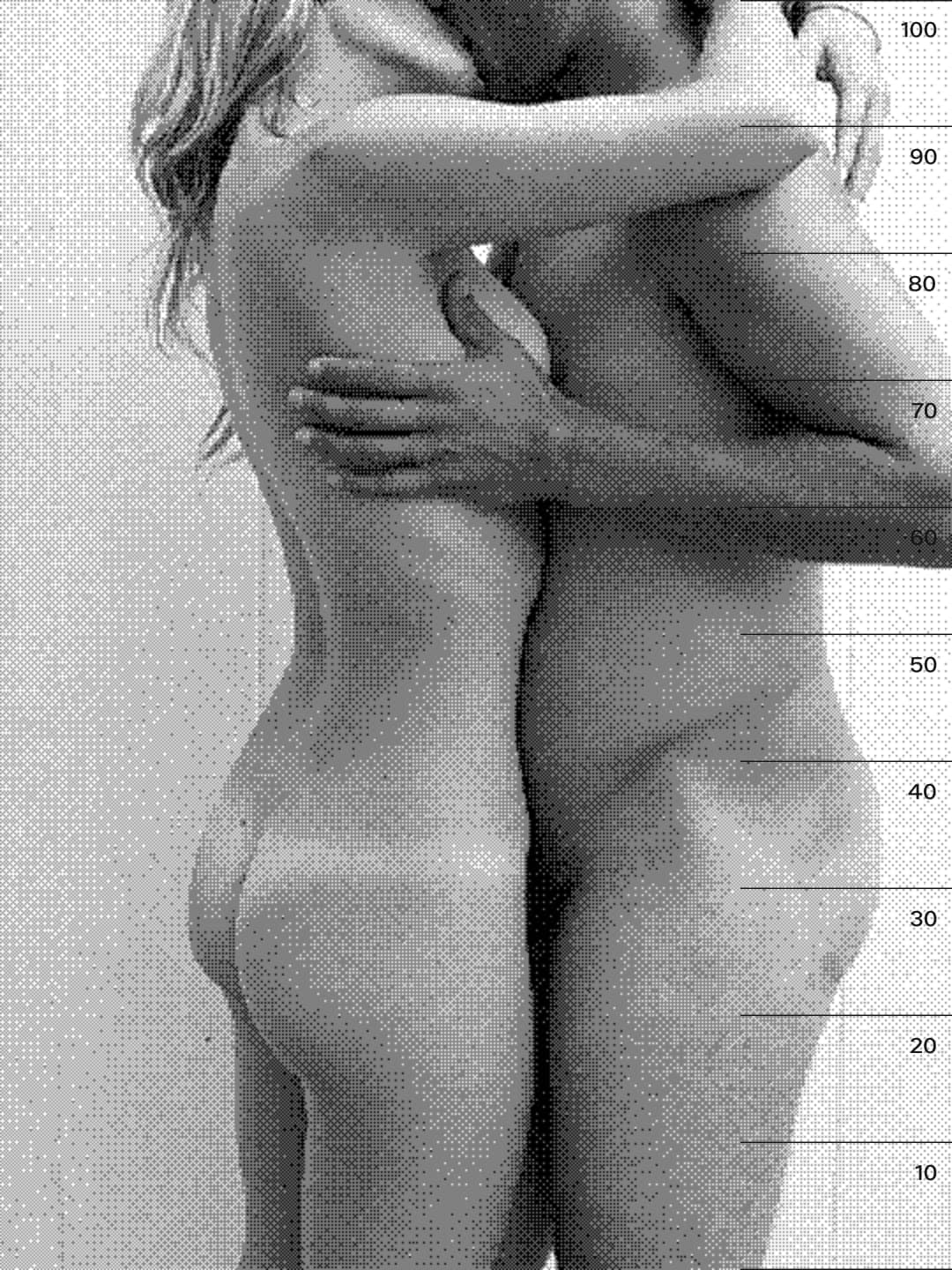
0%
have had zero sexual partners in their lifetime.
They might not be having sex. But they’re making out. A lot.
Rank the acts by how many people do them nearly every day.
- Vaginal
- Anal
- Oral
- Kissing
- Fingering / manual
- Masturbation


They still want sex. Dating just got harder.

of singles report moderate to very high sexual desire.
of singles cite limited opportunities to meet partners.
say sex is not a high priority right now.
They’re not masturbating much, either.
What percentage have not masturbated in the last three months? Drag to guess.










34% of young men say porn completely satisfies their sexual desire.
Digital intimacy is no longer a supplement to relationships. For a substantial minority, it’s a substitute.
young adults sometimes choose digital or solo experiences over partnered sex.
Living with their parents is killing their sex lives.
Living with family may be fiscally responsible. It is considerably less useful for getting laid.


single people living with parents had zero partners in the last three months.

say money makes it harder to date.
Gen Z is too broke to date.
Entry-level jobs are down 35 percent. Cocktails are $30. Romance is the collateral damage. Should it be?
Dating costs money and privacy costs more; romance is the line item that gets cut.

take antidepressants or anti-anxiety medication.
They’re anxious.
Antidepressants and anti-anxiety medications can alleviate a number of symptoms. But what impact do they have on sex?
People on antidepressants and anti-anxiety medication report less frequent oral, vaginal, anal, and rough sex, and lower satisfaction. But they don’t report any changes in desire.


How social media is fueling birth control fears.
The risks of birth control are real but complicated. The algorithm prefers something much simpler.
say social media makes them less likely to use hormonal birth control.
Why young people aren’t using condoms.
Porn, situationships, and failed sex education may explain why protection no longer feels like a standard part of sex.
(one in six) use no contraception at all.
never use protection during vaginal sex.
The sex recession has a gay exception.
On partners, on desire, on solo sex, one group is not in a recession.
What percentage of gay men do you think have had 10 or more lifetime partners?


Is Gen Z afraid of risk?
What percentage of Gen Z thinks they’re having less sex than their peers?
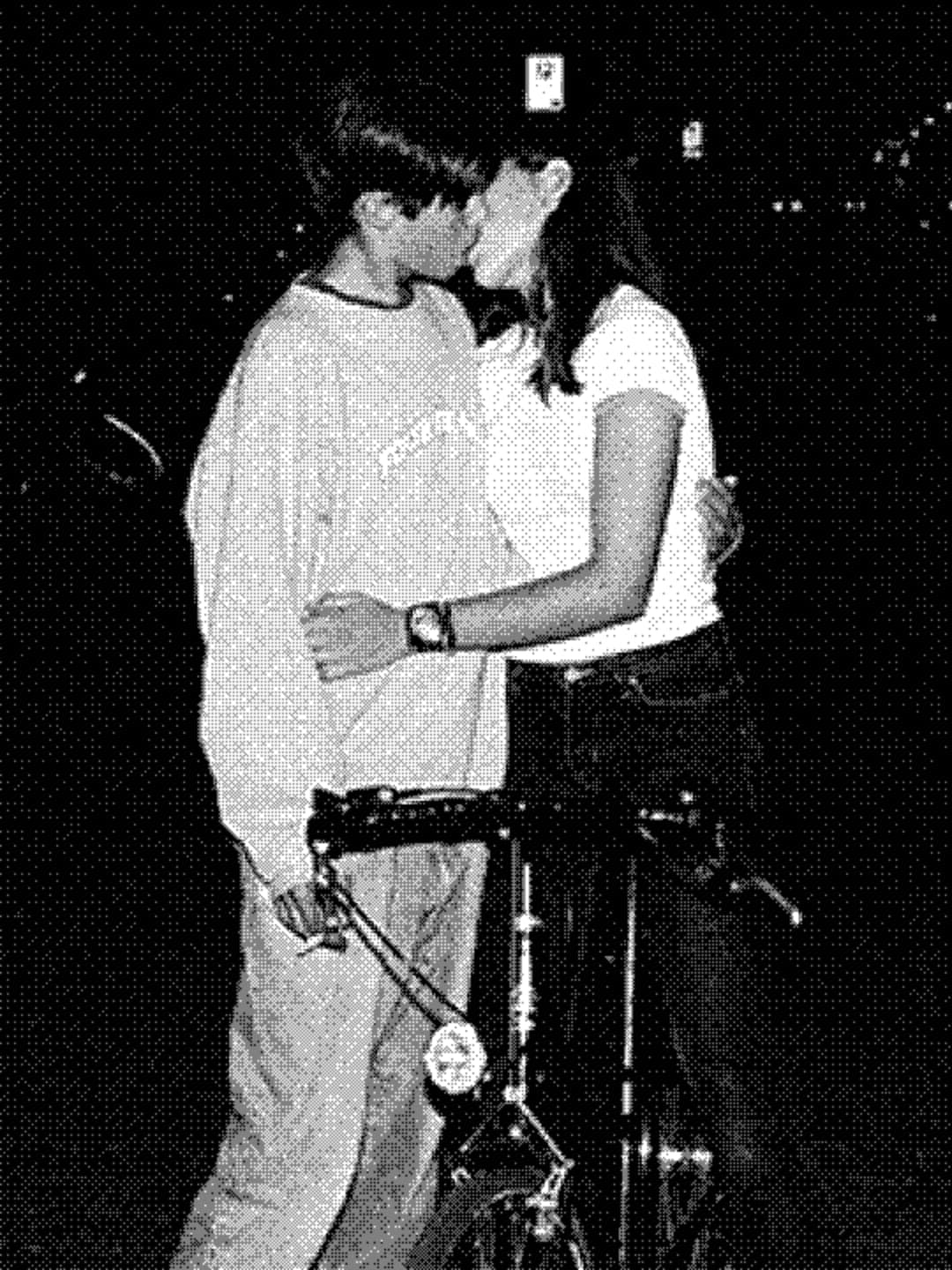
So, is the recession real?Yes. But it’s complicated.
They have the desire. They just don’t have the nerve, privacy or money to act on it.
0000 The sex recession appears to be real, but nuanced. Most respondents report relatively low activity despite moderate to high desire.
0000 Most young adults are not particularly stressed about their sex lives. Most describe their sex lives as average or better than average.
0000 Fatigue from dating apps, fear of rejection, and lack of finances are making connection more difficult.
0000 Young people are finding other outlets for intimacy: in friendships, online, and alone.
0000 Where Gen Z lives shapes the picture. Two-thirds of single people living with their parents had no partners at all in the last three months.
0000 They’re having less sex, but not safer sex. Protection is inconsistent, and a third have never been tested for STIs.
HOW DO YOU STACK
HOW DO YOU

Test your instincts against the 2,373. Answer for yourself, then see how you compare.